Land for Sale Near Nashville: Counties & Tips
Land for Sale Near Nashville: Which Counties to Look at and What to Know
If you've been searching for land for sale near Nashville, you're not alone. More buyers I talk with want a few acres, a little elbow room and a place where the nearest neighbor isn't right outside the kitchen window. After 15 years in real estate, I can tell you that buying land is a different animal than buying a house in a subdivision, and the details matter.
In this guide I'll walk through the counties around Davidson worth a look, share the latest county-level market numbers, and lay out the due-diligence checklist I'd want any land buyer in Middle Tennessee to work through before signing.
Why Buyers Are Looking at Land for Sale Near Nashville
Acreage gives you options: room for a shop or barn, a garden, space to build the home you actually want, or simply a quieter setting. The trade-off is that raw land comes with questions a finished house has already answered, like where the water comes from, where the wastewater goes and whether the road in is legally yours to use.
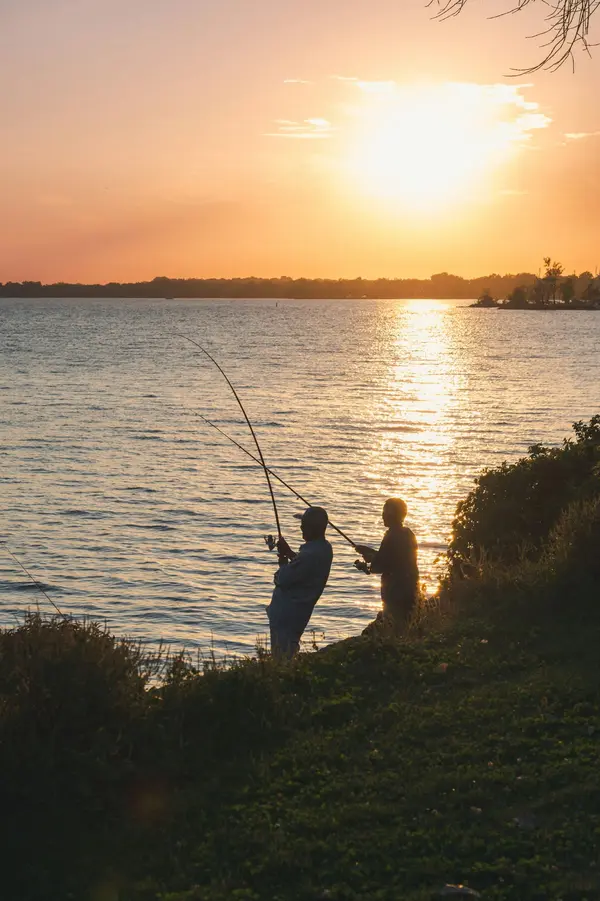
The good news is that Nashville is ringed by counties with a lot of rural ground, county seats with their own character, and creeks and rivers that make a Saturday morning worth getting up for. As someone who loves to fish, I'll admit that's part of the appeal for me too.
Surrounding Counties to Consider for Acreage
Here's a quick look at the counties I'd put on a land buyer's map, moving roughly around the compass from Nashville.
Robertson County (Springfield)
North of Nashville, Robertson County is anchored by Springfield, the county seat. Head out of town in almost any direction and you'll find farmland and rural roads, and in September 2026 homes here averaged 25 days on market.
Sumner County (Gallatin)
Northeast of Nashville, Sumner County runs from the suburban edges near Hendersonville out to more rural ground in the northern part of the county. Gallatin is the county seat. I served on the Sumner Realtors Board of Directors from 2023 to 2025, so this is a county I know well.
Wilson County (Lebanon)
East of Nashville, Wilson County centers on Lebanon. Land here tends to sit between growing suburban corridors and quieter rural roads, so zoning and planned development around a parcel are worth checking closely.
Rutherford County
Southeast of Nashville, Rutherford County has active suburban growth, so if acreage is the goal, plan on driving the back roads farther out from the main corridors.
Maury County (Columbia)
South of Nashville, Maury County is home to Columbia, the county seat, with a mix of farmland and rolling countryside beyond town.
Dickson County (Dickson)
West of Nashville, Dickson County is centered on the town of Dickson, and its September 2026 median home sale price was $345,500.
Cheatham County (Ashland City and Kingston Springs)
Just northwest and west of Nashville, Cheatham County includes Ashland City, the county seat, and Kingston Springs. If you like water, this is a county to know: the Harpeth River runs through Cheatham County, Kingston Springs is a canoe access area, and the Harpeth empties into the Cumberland River near Ashland City (Harpeth River overview).
Middle Tennessee County Market Comparison (September 2026)
The table below comes from Grant Hammond's September 2026 Middle Tennessee market update, using Realtracs MLS data with an October 4, 2026 report date. Two important notes: these figures were labeled preliminary, and they reflect overall home sales, not land sales. Use them as a feel for each county's pace and price level, not as a price per acre.
| County | Median Sale Price | Avg. Days on Market | Months of Supply |
|---|---|---|---|
| Davidson | $450,000 | 39 | 6.46 |
| Williamson | $950,000 | 41 | 5.33 |
| Rutherford | $422,940 | 35 | 4.91 |
| Sumner | $446,000 | 34 | 4.32 |
| Wilson | $499,900 | 34 | 4.22 |
| Maury | $422,998 | 38 | 5.45 |
| Robertson | $375,000 | 25 | 4.58 |
| Cheatham | $415,000 | 52 | 5.22 |
| Dickson | $345,500 | 47 | 5.81 |
A few things stand out to me. Robertson County homes averaged 25 days on market, while Cheatham averaged 52 and Dickson 47. Wilson and Sumner showed the tightest supply at 4.22 and 4.32 months. Land pricing depends heavily on acreage, road frontage, topography, utilities and whether a parcel can support a septic system, so every tract needs its own analysis.
Due Diligence When Buying Land Near Nashville
This is where land deals are won or lost. Here's the checklist I walk through with buyers looking at rural property in Tennessee.
1. Septic and Soil Evaluation
Most rural tracts aren't on public sewer, so the ground has to support a septic system. In Tennessee, the TDEC Division of Water Resources subsurface sewage disposal program handles this. According to TDEC, an Environmental Scientist conducts a site evaluation to determine the type of septic system required, and may ask for a soils map from a private licensed soil consultant. A permit is required to construct, modify or repair a septic system, and TDEC notes processing can take up to 45 days from receipt of a complete application. Build that time into your contract.
2. Well Water
If there's no public water line at the road, you'll likely be drilling a well. The Tennessee Department of Health states there are no regulations on private drinking water quality, while well construction standards are regulated by TDEC's Division of Water Resources. The department encourages private well owners to test annually for pathogens and at least every other year for chemical contaminants.
3. Zoning and County Planning
Before you fall in love with a parcel, call the county planning or zoning office. Ask what the property is zoned, whether your intended use (a home, a barn, animals, a future split) is allowed, and what minimum lot sizes and setbacks apply. Each county sets its own rules.
4. Easements and Road Access
Make sure the property has legal, recorded access to a public road, not just a driveway someone has always used. A survey and title search should show existing easements for utilities, neighbors or pipelines that could affect where you build.
5. Flood Zones
Creeks and river bottoms are beautiful, but check the flood risk. You can look up any address on the FEMA Flood Map Service Center, which returns flood map products for that location. Flood zones can affect where you can build, what you'll pay for insurance and your financing.
6. Utilities
Confirm where electric service is, whether public water is available, and what internet options reach the property. Extending lines to a building site set far back from the road can be a real cost, so get estimates early.
Financing Land for Sale Near Nashville
Financing raw land is not the same as financing a home. Land loans are a separate product from a standard mortgage, and terms vary by lender, so talk with a lender who does rural and land lending before you write an offer. If you plan to build, ask about construction loans too.
If you're buying a home on acreage (rather than vacant land), a USDA Rural Development guaranteed loan may be worth a look. Per the USDA single family housing guaranteed loan fact sheet, the home must be located in an eligible rural area, household income can't exceed 115% of the area median, and no down payment is required. Eligibility depends on the specific address, so check it with USDA's property eligibility tool rather than assuming a town or county qualifies.
Tennessee Greenbelt Property Tax Program
Tennessee's Agricultural, Forest and Open Space Land Act, known as greenbelt, can lower property taxes on qualifying land. According to the Tennessee Comptroller's greenbelt page:
- Agricultural land generally must be at least 15 acres, including woodlands and wastelands.
- Forest land must be at least 15 acres with qualifying tree growth.
- Open space land must contain at least three acres.
- Applications are filed with the assessor of property in the county where the land sits, and first-time applications are due by March 15.
Pay attention to rollback taxes. If land comes out of greenbelt, the taxes saved over the prior three years (agricultural and forest) or five years (open space) can come due. When you buy a tract that's already in greenbelt, ask how the rollback will be handled at closing.
Frequently Asked Questions About Land for Sale Near Nashville
Are the county median prices in this post land prices?
No. The September 2026 Realtracs figures reported by Grant Hammond are preliminary numbers for overall home sales in each county. Land values depend on acreage, access, utilities and soils, so each tract needs its own comparison.
Do I need a soil test before buying land in Tennessee?
If the property will use a septic system, you'll want a TDEC site evaluation or soil work done before you're committed. Many buyers make the purchase contingent on a satisfactory evaluation so they aren't stuck with land that can't support their plans.
How many acres do I need for greenbelt in Tennessee?
Per the Tennessee Comptroller, agricultural and forest classifications generally require at least 15 acres, and open space requires at least three acres. Applications go to your county assessor of property.
Can I use a USDA loan to buy land near Nashville?
USDA's guaranteed loan program is for homes in eligible rural areas, with income limits. Check the specific address on USDA's eligibility tool and talk with a lender about whether your purchase fits.
Let's Find the Right Acreage Near Nashville
Whether you're looking toward Springfield, Ashland City, Kingston Springs, Dickson, Columbia, Lebanon or Gallatin, I'd be glad to help you sort through listings, ask the right questions and line up the due diligence before you commit. Call or text me at 615-981-6272, email JasonLee@simplihom.com, or browse listings at TourNashvilleHomes.com.
Jason Lee, REALTOR®, simpliHOM
Categories
Recent Posts







“Buying or selling a home is one of the biggest decisions you’ll make. My job is to make sure you never make it alone.”